
Does Amazon Suspend Some Buyers from RFS? Understanding Amazon’s Crackdown on Return Abuse.
Introduction
Amazon’s return policy is designed to be customer-friendly, but it has long been a double-edged sword for sellers. On one hand, it builds buyer trust; on the other, it can be exploited by dishonest buyers. In recent years, sellers have grown increasingly frustrated with return abuse – cases where buyers exploit Amazon’s lenient return window for fraudulent reasons. This has led many sellers to wonder: Does Amazon ever suspend or ban buyers from using the “Return for Service” (RFS) feature? The answer is yes. Amazon does, in fact, limit or suspend certain buyers from RFS and other return privileges when they exhibit patterns of abuse. In this post, we’ll explore what RFS is, how Amazon identifies abusive buyers, and what sellers can do to protect themselves from return fraud.
What is RFS on Amazon?
RFS stands for “Return for Service.” It’s a streamlined return process that Amazon offers to buyers in certain situations. Typically, when a buyer initiates a return, the seller is notified and expected to issue a refund and provide instructions for the item to be sent back. With RFS, however, Amazon may automatically approve the return and issue a refund on the seller’s behalf, especially if the item is low-cost or the return reason is straightforward (e.g. “no longer needed”). The buyer then receives a prepaid return label to send the item back. In many cases, the seller doesn’t even need to intervene – Amazon handles the return logistics and refund, and the item is either returned to inventory or marked for disposal. This system is intended to make returns easier for buyers, but it also means sellers lose direct control over the return process.
For sellers, RFS can be a mixed blessing. On one hand, it saves time – you don’t have to manually approve every return request. On the other hand, it can be exploited by fraudulent buyers. For example, a buyer might claim an item is defective to trigger an RFS return, then send back an empty box or a different (broken) item. Because Amazon is handling the return, the seller might not realize the switch until it’s too late. This is why many sellers have been asking whether Amazon ever disables RFS for buyers who abuse it.
Does Amazon Suspend Buyers from RFS?
Yes – Amazon does suspend or restrict some buyers from using RFS and other return privileges. While Amazon doesn’t publicly advertise a “buyer suspension” policy the way it does for sellers, there is evidence that buyers can be flagged or banned for excessive return abuse. In an Amazon seller forum discussion, one seller noticed that a repeat buyer’s return was processed as a “Standard Refund” instead of RFS. This buyer happened to be a college student who had returned multiple items, and the seller suspected Amazon had identified them as a scammer and disabled RFS for that account. Other sellers chimed in with similar experiences, noting that Amazon had “flipped a switch” on certain buyers, suddenly treating their returns as standard refunds rather than RFS. One seller even lamented that they wished they could opt out of RFS altogether, as it was causing headaches with frequent abusers.
Amazon’s approach to buyer abuse isn’t limited to RFS. The company is known to suspend buyers from A-to-z Guarantee claims as well. In fact, one seller pointed out that Amazon already suspends buyers from filing A-to-z claims when they abuse that system, so it would be logical for Amazon to do the same with RFS. An A-to-z claim is a formal dispute a buyer can file when they don’t receive an item or it’s not as described. Amazon will temporarily suspend a buyer’s ability to file new claims if they have an unusually high number of claims or are found to be filing fraudulent claims. The same principle applies to returns: if a buyer is returning too many items or showing signs of fraud, Amazon may limit their return options.
It’s worth noting that Amazon doesn’t always explicitly tell the buyer “you’re suspended.” Instead, the buyer might find that certain features are no longer available. For example, they might no longer see the “Return for Service” option when trying to return an item – it’s simply replaced by a standard refund process. Or, if they try to file an A-to-z claim, they might get a message that they’re not eligible to file at this time. These are soft suspensions of the buyer’s privileges, designed to curb abuse without outright banning the buyer (unless the behavior is extreme).
Why Amazon Is Cracking Down on Return Abuse
Amazon’s recent actions to curb buyer abuse come as welcome news to sellers. For years, sellers have complained about “wardrobing” (buyers who purchase clothing, wear it once, then return it), empty box returns, and buyers who “rent” products with no intention of keeping them. These practices not only cost sellers money in lost inventory and return shipping, but also erode trust in the marketplace. In 2025, Amazon finally began taking more decisive action to address this issue.
A key trigger for Amazon’s crackdown was a viral exposé in July 2025. A seller publicly documented a buyer who was ordering high-value items repeatedly, then returning them for full refunds – essentially exploiting Amazon’s return window and policy to get free use of products. The story gained traction on social media, putting pressure on Amazon to respond. In response, Amazon announced several measures to combat return fraud:
- Flagging accounts with high return-to-order ratios. Amazon’s algorithms now monitor how often a buyer returns items relative to their purchases. If a buyer’s return rate is unusually high, their account may be flagged for review.
- Reviewing buyers suspected of serial fraud. When a buyer exhibits patterns consistent with fraud (e.g. frequent returns of expensive items, returns with missing parts, etc.), Amazon’s fraud team investigates. This can lead to the buyer being barred from certain return options or even suspended.
- Strengthening seller-side documentation tools. Amazon is giving sellers more tools to document the condition of outgoing items (such as requiring photos or serial numbers) so that if a buyer tries to abuse the system, the seller has evidence to dispute the return.
- Enforcing buyer bans for repeated abuse. In the most egregious cases, Amazon will outright ban a buyer’s account for return fraud. This is a big step, as Amazon typically avoids banning buyers, but it’s happening more often now.
These changes signal a shift in Amazon’s stance. Instead of siding with buyers by default, Amazon is increasingly acknowledging that sellers need protection too. In fact, Amazon’s 2024 policy updates started denying more A-to-z claims that appeared fraudulent and began charging buyers for return shipping in some cases (whereas previously Amazon often absorbed return shipping costs). The trend is clear: Amazon is trying to balance customer satisfaction with seller protection, and that means cracking down on the bad actors who abuse the system.
How Sellers Can Protect Themselves from Return Abuse
While Amazon is stepping up enforcement, sellers shouldn’t rely solely on Amazon to catch every abuser. Proactive sellers can take several steps to minimize the impact of return fraud on their business:
- Document Everything. This is the golden rule. Keep detailed records of each order’s condition when it ships. Take photos or videos of high-value items before sending them out. Note serial numbers, unique identifiers, or any tamper-evident seals you use. If a buyer claims the item arrived damaged or missing parts, you have proof to counter false claims. Amazon’s new tools allow sellers to upload such evidence during the return process, so be ready to provide it.
- Use Tamper-Evident Packaging. Simple measures can deter fraud. For example, use security tape or stickers that show if a package has been opened. Some sellers include a “return condition insert” in the box – a note explaining that the item was new and sealed, and if returned opened or used, the buyer will be reported. This can discourage buyers from trying to return a used item as “new.”
- Enable FBA Inventory Evaluation. If you use FBA, consider turning on the inventory evaluation setting (available since mid-2024). This means when an item is returned, Amazon will notify you and you can decide whether to accept it back into inventory or have it disposed. By default, Amazon used to automatically return sellable items to inventory, which sometimes led to defective items getting restocked. With this setting, you can catch problems early. For instance, if a customer returns an electronic item that you suspect was swapped out, you can refuse to restock it and instead file a SAFE-T claim for reimbursement.
- Leverage SAFE-T Claims. If you believe a buyer has abused the return policy (e.g. sent back an empty box or a different item), don’t hesitate to file a SAFE-T claim with Amazon. SAFE-T (Seller Fulfilled Prime) is the process for sellers to request reimbursement when Amazon refunds a buyer on their behalf for a fraudulent return. Provide all evidence you have – photos, serial numbers, correspondence – and make a clear case. Amazon has been improving its handling of these claims and is more likely to side with sellers who have strong documentation.
- Monitor Buyer Behavior. Keep an eye on buyers who order frequently and return often. Some sellers use software or spreadsheets to track return rates by customer. If you notice a buyer with a pattern of returns (especially high-value items), you can report them to Amazon. There isn’t a direct “report a buyer” button, but you can contact Seller Support and explain the situation, providing order IDs and your evidence. Amazon may then investigate and potentially suspend that buyer’s return privileges.
- Consider Your Return Policy. While you must comply with Amazon’s return policy, you can set your own policies for things like restocking fees (within Amazon’s rules) or return windows for certain products. Just be sure these are clearly stated on your listings. Some sellers, for example, charge a restocking fee for returns of certain items to discourage frivolous returns. (Amazon allows this in some cases, as long as it’s not punitive.)
By implementing these practices, you create a paper trail and deterrent against fraud. Many abusive buyers will think twice if they know the seller is vigilant and has evidence. And if they do try something, you’ll be prepared to fight it with Amazon’s help.
Conclusion
Amazon’s decision to limit or suspend buyers from RFS and other return features is a significant development in the fight against return abuse. It shows that Amazon is listening to seller concerns and is willing to take action against buyers who game the system. For sellers, this means a bit more protection – but it also means you need to stay vigilant and adapt to these changes.
If you’ve been struggling with frequent returns and suspected fraud, take heart: the tide is turning. Amazon is cracking down on return abuse in 2025, and with the right strategies, you can shield your business from the worst of it. Document your shipments, use Amazon’s new tools wisely, and don’t hesitate to report suspicious behavior. By doing so, you not only protect your profits, but also contribute to a healthier marketplace for honest buyers and sellers alike.
Remember, Amazon’s goal is to maintain customer trust – and part of that trust is ensuring that honest sellers aren’t unfairly penalized by dishonest buyers. As Amazon continues to refine its policies, sellers who proactively manage returns and provide excellent service will come out ahead. Stay informed, stay prepared, and you can navigate the evolving landscape of Amazon returns with confidence.

Temu vs. Shein: Which App is Safer
By langxu freight | Updated: 2026 The battle for the top spot in the ultra-fast…
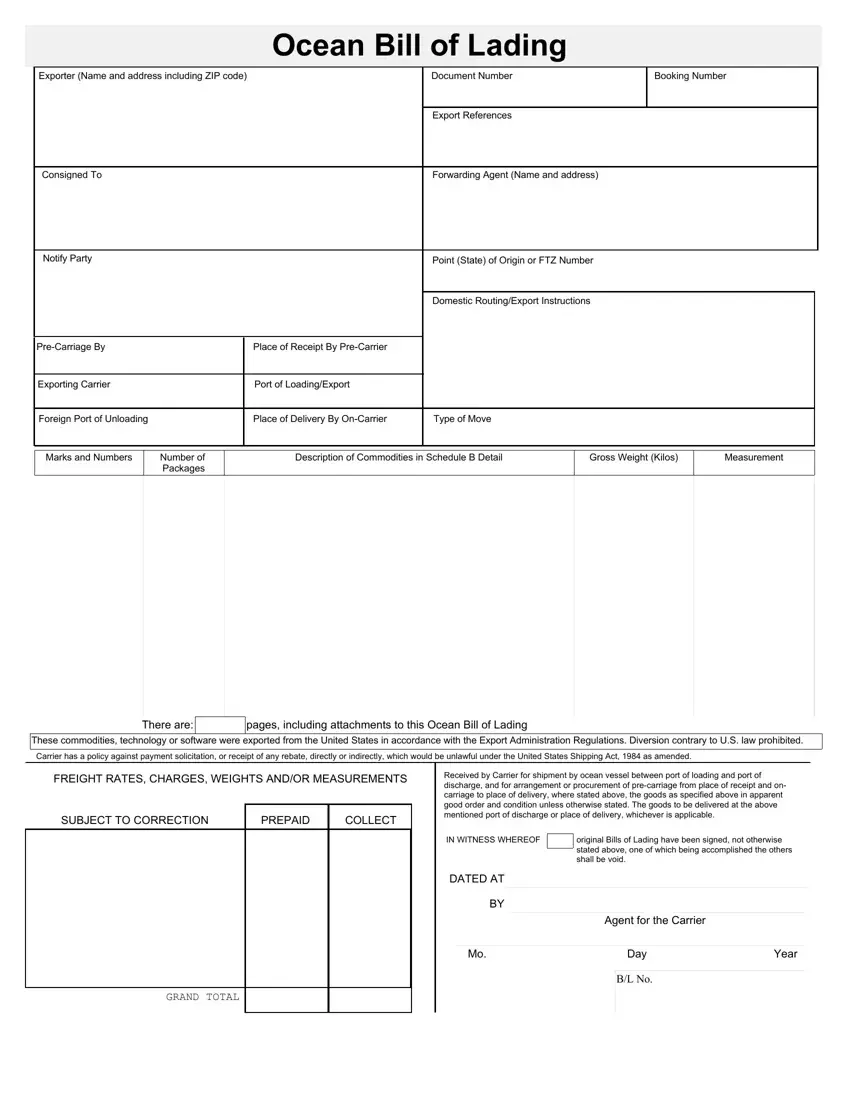
Mastering the Ocean Bill of Lading
In the fast-paced world of international logistics, cargo moves across oceans, but paperwork rules the…

e-commerce How to Secure Your Supply Chain and Amplify Your Brand
Your shop is growing. The adrenaline of the first few sales has settled into a…