
Comprehensive Guide to Sourcing Furniture from China and Shipping to Nigeria.
Introduction
Importing furniture from China to Nigeria can be a lucrative business opportunity, but it requires careful planning and understanding of logistics, regulations, and costs. Nigeria is one of China’s largest trading partners in Africa, with bilateral trade reaching billions of dollars annually. The demand for affordable furniture in Nigeria is high, and Chinese manufacturers offer competitive pricing and a wide range of products. However, navigating the import process involves coordinating suppliers, choosing shipping methods, and complying with Nigerian customs regulations. This guide provides a step-by-step approach to sourcing furniture in China, shipping it to Nigeria, and clearing it through customs, while highlighting key considerations to ensure a smooth and cost-effective supply chain.
Finding Furniture Suppliers in China
Online Platforms and Trade Fairs: The first step is to identify reliable furniture suppliers in China. Popular B2B platforms like Alibaba, Made-in-China, and Global Sources list numerous verified furniture manufacturers. Attending trade fairs such as the Canton Fair or China International Furniture Expo can also help you meet potential suppliers in person. When evaluating suppliers, consider factors like product quality, production capacity, certifications (e.g. ISO, FSC for wooden furniture), and experience with exports to Africa.
Verification and Due Diligence: Once you shortlist suppliers, conduct thorough due diligence. Request samples to assess quality and craftsmanship. Verify business licenses and export credentials. It’s wise to start with smaller trial orders to build trust before placing large volume orders. Establish clear communication channels (WhatsApp, WeChat, email) and negotiate payment terms (typically 30% deposit, 70% upon shipment) to ensure mutual understanding.
Understanding Shipping Options from China to Nigeria
Shipping furniture from China to Nigeria can be done via air freight or sea freight, each with distinct advantages and cost structures.
Air Freight: Air freight is faster (typically 4-6 days transit) but significantly more expensive. It’s suitable for high-value or urgent orders. Major airports in China like Shanghai, Guangzhou, and Beijing offer direct flights to Nigeria’s main airports (Lagos, Abuja, Kano, Port Harcourt). Airlines such as Emirates, Turkish Cargo, and Ethiopian Airlines frequently handle this route. Costs are calculated per kilogram, and rates can range from $5 to $7 per kg depending on the carrier and service level. Air freight is ideal for maintaining inventory levels or meeting tight deadlines, but the high cost may not be justifiable for low-margin furniture items.
Sea Freight: Sea freight is the most common method for furniture due to its cost-effectiveness for bulky items. It involves longer transit times (30-45 days) but can save substantial money. A 20-foot container (20ft) from China to Nigeria might cost between $1,150 to $3,250, while a 40-foot container (40ft) could range from $2,150 to $4,850. Sea freight is usually quoted on either FCL (Full Container Load) or LCL (Less than Container Load) basis. FCL means you book an entire container for your exclusive use, which is cost-effective if you have enough volume. LCL is a consolidation service where your goods share container space with other shipments – it’s more flexible per unit but can be more expensive per cubic meter.
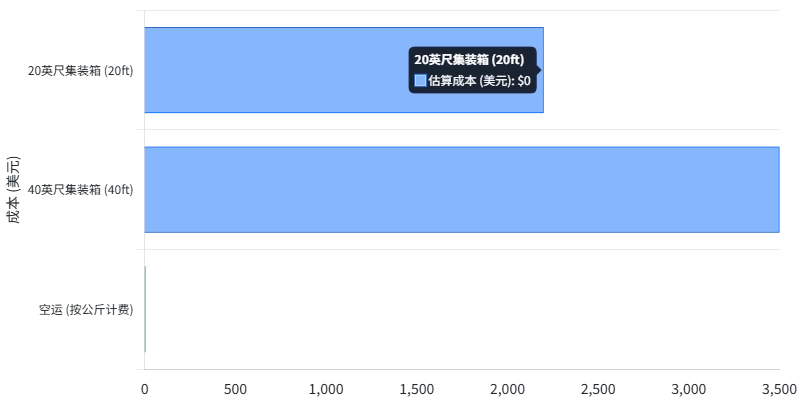
Comparison of Shipping and Air Freight Costs (Estimate)
Choosing a Shipping Method: Decide based on your order size and urgency. For example, if you’re shipping a few dining chairs, air freight might be feasible. For a full bedroom set or multiple furniture pieces, sea freight in a shared container (LCL) or a dedicated container (FCL) is more economical. Many Nigerian importers start with LCL to test the market, then transition to FCL as volume grows. Always request multiple quotes and compare not just the price, but also the transit time and reliability of the shipping line.
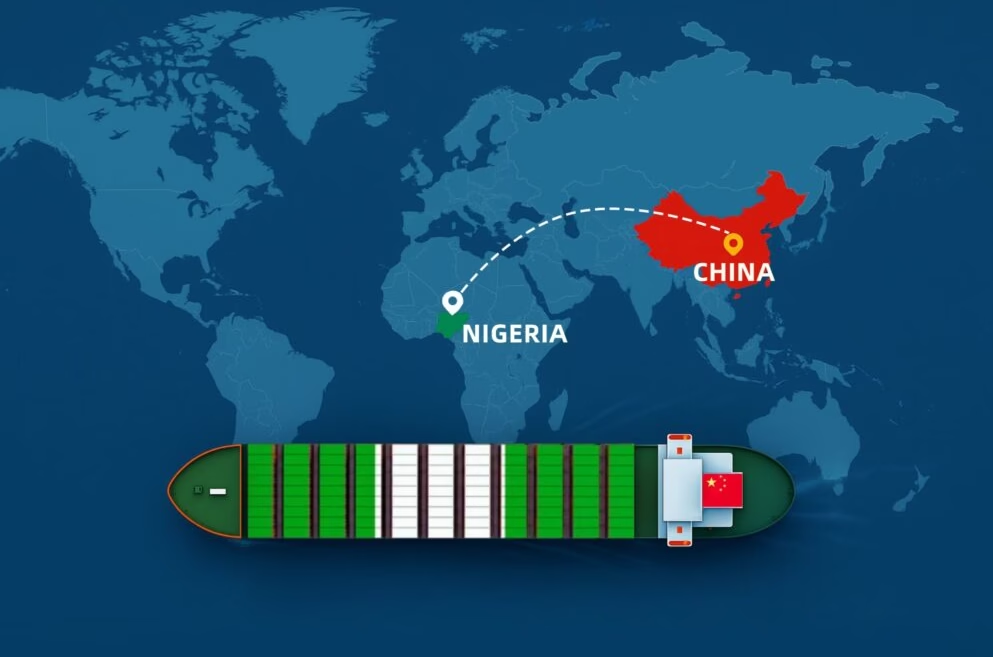
Nigerian Import Procedures and Customs Clearance
Clearing furniture through Nigerian customs requires careful preparation and compliance with import regulations. The Nigeria Customs Service (NCS) mandates the use of electronic Form “M” for import declarations. Here’s a typical process:
- Prepare Required Documents: Ensure you have a Proforma Invoice, Packing List, Bill of Lading (B/L), and a Certificate of Origin. The invoice should clearly describe the furniture items, including HS codes, values, and country of origin. A Packing List detailing each package’s contents and weights helps customs verify the shipment. If your furniture contains wood, you may need a Fumigation Certificate or ISPM 15 wood treatment mark to comply with Nigeria’s import rules. Also, include any import permits or licenses if the items fall under regulated categories (e.g. certain electronics or upholstery materials).
- Submit Form M and Duties: Your freight forwarder will electronically submit the completed Form M to the Nigeria Customs Service (NCS) via the authorized dealer bank system. Customs will assess the import duty based on the HS codes and declared value. Furniture import duties in Nigeria can range from 5% to 20% depending on the product (e.g. wooden furniture might have different rates than metal). You must pay these duties (and any applicable levies like the ECOWAS Common External Tariff or a surcharge) before the goods are released. It’s advisable to work with a licensed customs clearing agent in Nigeria to handle this process, as they can ensure accurate classification and smooth communication with NCS officials.
- Inspection and Release: In some cases, customs may physically inspect the shipment to verify the contents. This is more common with sea freight shipments. Once all duties are paid and any queries resolved, NCS will issue a release order. Your clearing agent will then coordinate the delivery of the container from the port to your warehouse or final destination. Be prepared for potential storage charges if the container isn’t cleared promptly (Nigerian ports charge per day for demurrage).
Key Considerations and Best Practices
Cost Management
Understand all costs involved: supplier price, inland transport in China, freight charges, terminal handling charges, customs duties, VAT (5% in Nigeria), and local delivery in Nigeria. Request a detailed quote from your forwarder breaking down each cost. Consider using Incoterms like FOB (Free On Board) for clarity – FOB means the seller covers costs to get the goods to the port of loading, and you handle from there. This can help you compare quotes on a like-for-like basis. Also, factor in currency exchange rates and payment method (e.g. USD is common for trade).
Packaging and Labeling
Proper packaging is crucial for furniture to prevent damage during transit. Use sturdy, export-grade packaging materials and consider crating fragile items. Label each package with the consignee’s name, address, order number, and country of origin. Marks should be waterproof and durable. For wooden packaging, ensure it complies with ISPM 15 standards to avoid rejection in Nigeria. Including handling instructions (e.g. “This side up” or fragile stickers) can reduce mishandling by local logistics staff.
Insurance and Risk Mitigation
Insure your shipment against loss or damage. Marine insurance (cargo insurance) is recommended for sea freight, as it covers perils of the sea. Even with air freight, consider insurance for high-value items. Verify what the insurance covers (e.g. from warehouse to warehouse, all risks) and the claim process. In Nigeria, incidents like piracy or theft at ports are rare but possible, so insurance provides peace of mind. Also, mitigate risk by choosing reputable carriers and using secure containers (e.g. sealed with high-security seals).
Working with Local Partners
Having a reliable partner in Nigeria can greatly simplify the last-mile delivery. Many Nigerian logistics companies offer door-to-door service, handling customs clearance and delivery to your final address. They can assist with port paperwork, coordinate with trucking companies, and even provide warehousing if needed. Establish a local contact (agent or employee) who can oversee the process on your behalf. This is especially useful if you’re not physically present in Nigeria. Local partners can also help with last-mile challenges like navigating traffic or coordinating with building management for deliveries.
Regulatory Compliance
Stay updated on Nigerian import regulations. For instance, Nigeria has a list of prohibited items (e.g. certain used electronics, chemicals) that require special licenses or are banned. Ensure your furniture doesn’t fall under any restriction. Also, be aware of any import quotas or licensing requirements (e.g. if importing furniture made of protected wood species). The Nigerian Customs Service website provides guidelines and updates, so regularly check for any new forms or procedural changes. Compliance will prevent costly delays or seizure of goods.
Conclusion
Sourcing furniture from China and shipping it to Nigeria is a manageable process when broken down into clear steps. By finding trustworthy suppliers, choosing the right shipping method, and meticulously preparing customs documentation, you can establish a steady supply chain. Nigeria’s growing economy and demand for affordable furniture present a significant opportunity for importers. Remember to factor in all costs and plan for contingencies like delays or extra charges. With careful planning and local support, you can navigate the logistics and deliver quality furniture to the Nigerian market efficiently and profitably.

Temu vs. Shein: Which App is Safer
By langxu freight | Updated: 2026 The battle for the top spot in the ultra-fast…
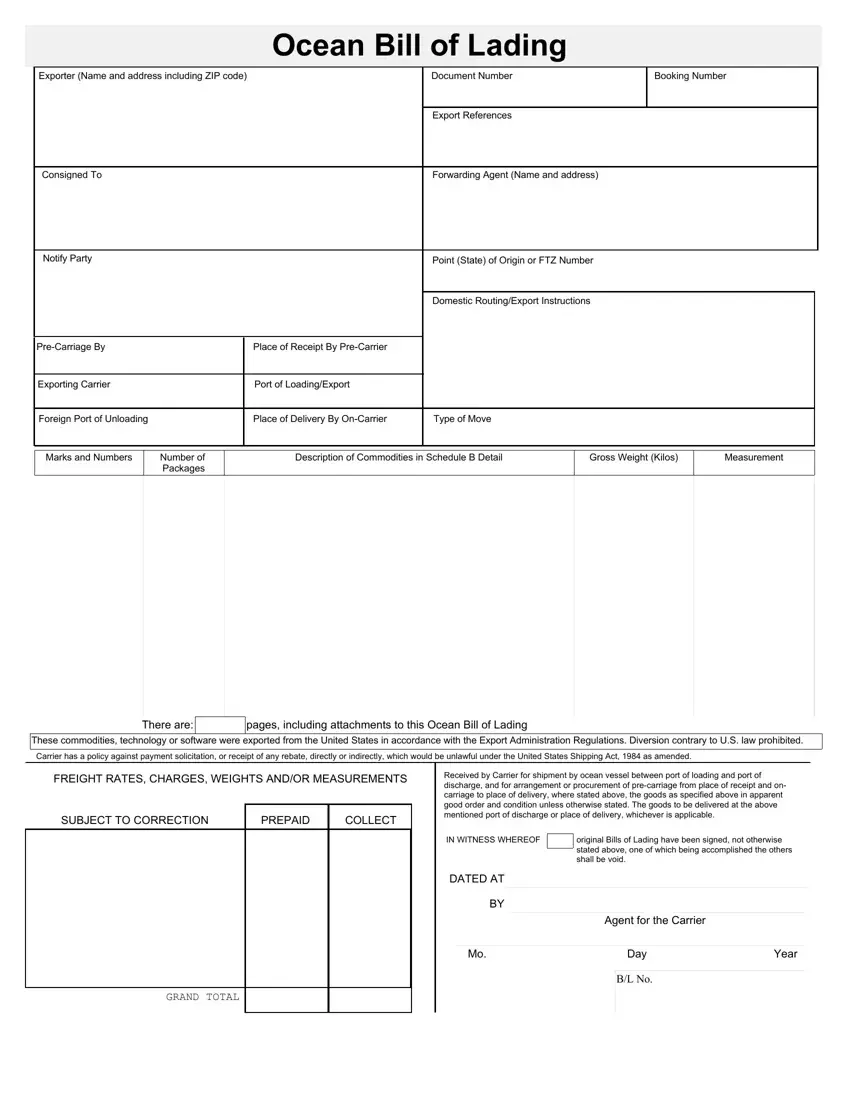
Mastering the Ocean Bill of Lading
In the fast-paced world of international logistics, cargo moves across oceans, but paperwork rules the…

e-commerce How to Secure Your Supply Chain and Amplify Your Brand
Your shop is growing. The adrenaline of the first few sales has settled into a…