
Australia is one of the most popular destinations for Alibaba importers. With high consumer spending, a relatively straightforward customs system, and strong demand for Chinese-made products, it’s an excellent market for e-commerce sellers and businesses.
But Australia’s strict biosecurity laws and quarantine requirements catch many first-time importers off guard. This guide covers everything you need to know about shipping from Alibaba to Australia in 2026.
Step 1: Source and Verify Suppliers on Alibaba
- Trade Assurance: Essential protection for your payment.
- Verified Supplier: Confirms the supplier has been physically inspected.
- Australian Export Experience: Ask if they’ve shipped to Australia before. Australian customs has specific requirements that experienced suppliers understand.
- Product Compliance for Australia:
- Electronics: Must comply with Australian Electrical Safety regulations and have the Regulatory Compliance Mark (RCM)
- Toys: Must meet AS/NZS ISO 8124 safety standards
- Food contact products: Must comply with FSANZ (Food Standards Australia New Zealand)
- Cosmetics: Must comply with NICNAS regulations
- Textiles: Must meet Australian labeling requirements
Critical: Australia has strict biosecurity laws. Products containing wood, plant materials, animal products, or certain chemicals may require additional permits or treatment.
Step 2: Choose Your Incoterms
| Incoterm | Who Handles Shipping? | Who Pays Australian Duties? | Best For |
|---|---|---|---|
| EXW | You (via freight forwarder) | You | Full control, experienced importers |
| FOB | Supplier to Chinese port | You | Most common for sea freight |
| CIF | Supplier handles ocean freight | You | Simpler origin-side logistics |
| DDP | Freight forwarder handles everything | Forwarder pays all | First-time importers, hassle-free |
Our recommendation: DDP is ideal for first-time Australian importers. Australian biosecurity and customs procedures can be complex, and a good forwarder handles everything.
Step 3: Compare Shipping Methods
Sea Freight (Best Value for Bulk Orders)
FCL (Full Container Load)
- 20ft container: $2,000–$3,500 (March 2026)
- 40ft container: $3,500–$5,500
- Transit time: 14–20 days (Shenzhen/Shanghai to Sydney), 18–25 days (to Melbourne/Brisbane)
LCL (Less than Container Load)
- Cost: $40–$70 per CBM
- Transit time: 20–30 days
Air Freight (For Urgent Shipments)
- Cost: $4.50–$7.00 per kg
- Transit time: 5–8 days
- Best for: Urgent orders, high-value goods, orders under 500 kg
Express (DHL, UPS, FedEx)
- Cost: $8.50–$20 per kg
- Transit time: 3–7 days
- Best for: Samples, small parcels under 100 kg
Comparison Table
| Method | Cost | Transit Time | Best For |
|---|---|---|---|
| Express | $8.50–$20/kg | 3–7 days | Samples, parcels under 100 kg |
| Air Freight | $4.50–$7.00/kg | 5–8 days | Urgent orders, high-value goods |
| Sea Freight (LCL) | $40–$70/CBM | 20–30 days | 1–15 CBM shipments |
| Sea Freight (FCL) | $2,000–$5,500/container | 14–25 days | 15+ CBM bulk orders |
Note: Australia is geographically closer to China than Europe or the Americas, so transit times are generally shorter.
Step 4: Australian Import Duties and Taxes
Customs Duty
- General rate: 0%–10% for most consumer goods
- Many goods are duty-free: Clothing, footwear, most electronics, and many consumer goods have 0% duty
- Higher rates apply to: Certain textiles (up to 10%), some automotive parts, alcohol, tobacco
GST (Goods and Services Tax)
- Rate: 10% on almost all imported goods
- Calculated on: Customs value + Import duty + Shipping + Insurance
- Threshold: GST applies to all commercial imports regardless of value (the $1,000 GST-free threshold was removed in 2018)
Example Calculation
For a $10,000 AUD shipment of general consumer goods:
- Import duty (5%): $500
- GST (10% on $10,500):$1,050
- Total import costs: ~$1,550 (15.5% of goods value)
Step 5: Required Documents for Australian Customs
- Commercial Invoice — Detailed product descriptions, HS codes, values, country of origin
- Bill of Lading (B/L) or Air Waybill (AWB)
- Packing List — Detailed contents, weights, dimensions
- Import Declaration — Submitted through the Australian Border Force (ABF) system
- Permits/Certificates — For regulated goods (food, plants, chemicals, pharmaceuticals)
- Biosecurity Declaration — Required for goods containing organic materials
Australian-specific: The Australian Border Force (ABF) and the Department of Agriculture, Fisheries and Forestry (DAFF) both inspect imports. Biosecurity inspections are particularly strict.
Step 6: Major Australian Ports
- Sydney (Port Botany): Australia’s largest container port. Primary destination for most China-Australia sea freight.
- Melbourne: Second largest, important for goods destined for Victoria and southern Australia.
- Brisbane: Key port for Queensland and northern Australia.
- Fremantle (Perth): Important for Western Australia.
- Adelaide: Handles goods for South Australia.
Step 7: Common Mistakes When Shipping to Australia
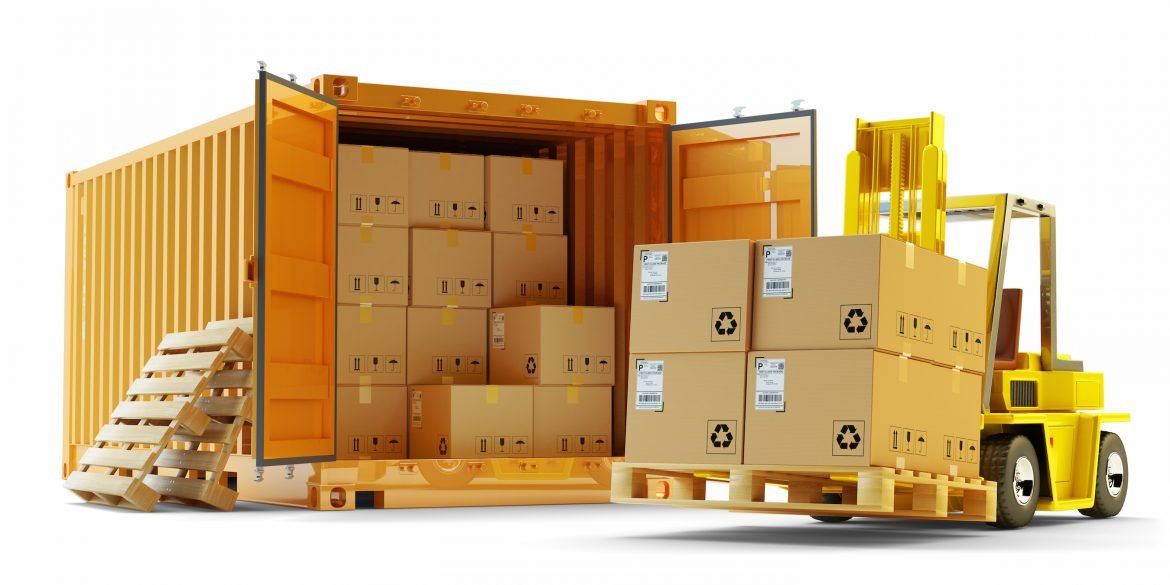
- Ignoring biosecurity requirements: Australia is extremely strict about biosecurity. Products containing wood, plant materials, or animal products may be seized or require fumigation.
- Missing the RCM mark: Electrical products sold in Australia must have the Regulatory Compliance Mark.
- Wrong HS code: Australian customs uses the same HS system but has specific interpretations. Verify codes with your customs broker.
- Not declaring correctly: Australian Border Force uses data analytics to detect under-declaration. Penalties are severe.
- Ignoring state-level regulations: Some Australian states have additional requirements for certain products (e.g., energy efficiency ratings for appliances in Victoria).
Why Choose Langxu for Alibaba to Australia Shipping?
- Australia Specialist Route: We ship to Australia daily and understand ABF and DAFF requirements.
- DDP to Any Australian Address: Door-to-door delivery across all Australian states and territories.
- Free Shenzhen Warehousing: Consolidate from multiple Alibaba suppliers before shipping.
- Biosecurity Compliant: We ensure all documentation meets Australian biosecurity requirements.
- Competitive Rates: 20–40% lower than Australia-based forwarders.
- Amazon FBA Delivery: Direct delivery to Amazon Australia fulfillment centers.
- Real-Time Tracking: Full visibility from factory to your Australian door.
FAQ: Shipping from Alibaba to Australia
Q: How long does shipping from Alibaba to Australia take?
A: Express: 3–7 days. Air freight: 5–8 days. Sea freight: 14–30 days. Add 1–3 days for customs and biosecurity clearance.
Q: Do I need a customs broker for Australia?
A: For commercial shipments, yes. If you choose DDP with Langxu, we handle all customs clearance for you.
Q: What is the cheapest way to ship from Alibaba to Australia?
A: Sea freight LCL for small shipments ($40–$70/CBM), or FCL for larger orders ($2,000–$3,500 for a 20ft container).
Q: Will my goods be inspected by Australian biosecurity?
A: Possibly. Australia inspects a significant percentage of imports, especially goods containing wood, plant materials, food, or animal products. Proper documentation and compliance reduce the risk of delays.
Q: Can I ship directly from Alibaba to Amazon Australia FBA?
A: Yes. Langxu handles Amazon FBA deliveries across Australia, including customs clearance and GST payment.
Ready to Ship from Alibaba to Australia?
Get a free, no-obligation quote from Langxu International Logistics.
Shipping from Alibaba to Mexico: Complete Guide for Importers (2026)
Mexico has become one of the hottest import markets for Alibaba buyers. With the USMCA…
Shipping from Alibaba to Canada: Complete Guide for Importers (2026)
Canada is one of the top destinations for Alibaba importers. With a strong economy, high…
Shipping from Alibaba to the UK: Complete Guide for Importers (2026)
The UK remains one of Europe’s largest import markets, and Alibaba is the go-to sourcing…