Navigating Shanghai Port? Discover why it’s the world’s busiest gateway, its key terminals (Yangshan vs Waigaoqiao), and essential tips for smooth freight forwarding in 2026.
Shanghai Port: The World’s Busiest Gateway for Global Trade
When it comes to international logistics, few names carry as much weight as Shanghai Port. As the perennial leader in global container throughput, Shanghai isn’t just a port; it is the central nervous system of global supply chains. For businesses looking to import from China, understanding how to navigate this massive hub is the first step toward efficient and cost-effective shipping.
This guide breaks down everything you need to know about moving cargo through Shanghai.
Why Choose Shanghai Port?
Located at the mouth of the Yangtze River, Shanghai Port offers unparalleled advantages:
- Massive Scale: It handles over 47 million TEUs annually, meaning there is almost always a vessel heading to your destination.
- Deep Water Access: The development of the Yangshan Deep-Water Port allows even Ultra-Large Container Vessels (ULCVs) to dock without issue.
- Intermodal Connectivity: It seamlessly connects river transport (via the Yangtze), rail networks, and road systems, making it the perfect gateway for goods coming from manufacturing hubs across East China.
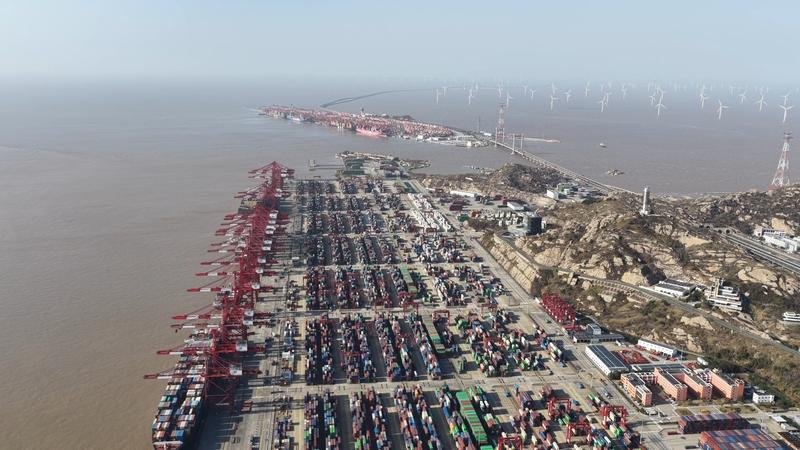
Key Terminals: Yangshan vs. Waigaoqiao
To the untrained eye, Shanghai Port is one big facility. In reality, it is divided into distinct areas serving different purposes. Knowing the difference saves time and money:
Yangshan Deep-Water Port: Located on islands south of Shanghai and connected by the magnificent Donghai Bridge. This is where the mega-ships dock. If you are booking FCL (Full Container Load) shipments on mega-vessels heading to Europe or the US West Coast, your containers will likely depart from Yangshan.
Waigaoqiao (Pudong) Terminal: Located closer to the city center on the northern bank of the river. This area specializes in feeder services, coastal shipping, and smaller vessels. It is also the primary hub for LCL (Less than Container Load) consolidation warehouses.
Air Freight Integration: Pudong International Airport (PVG)
One of Shanghai’s hidden advantages is the proximity of its seaport to Shanghai Pudong International Airport (PVG)—one of the world’s busiest cargo airports. For supply chains requiring both ocean and air solutions (like urgent replenishment after a slow boat arrival), Shanghai offers a seamless transition that few other cities can match.
Navigating Customs and Documentation
Shanghai Customs has digitized significantly in recent years. However, due to the sheer volume of cargo, precision is key.
- AMS/ACI Filing: Ensure your ISF (Importer Security Filing) is submitted 24 hours before vessel departure.
- Congestion Surcharges (PCS): During peak seasons (typically August-October and pre-CNY), be prepared for Peak Season Surcharges and potential delays at the gates. Working with a local forwarder who has priority gate access is crucial here.
Conclusion: Is Shanghai Right for You?
If your suppliers are located in the Yangtze River Delta (Jiangsu, Zhejiang, Anhui) or if you are shipping high-volume retail goods, Shanghai is your default choice. Its reliability and frequency are unmatched.
Need a quote for your next shipment from Shanghai?
Contact our logistics experts today for a transparent rate and a hassle-free customs clearance plan.
How to Choose a Freight Forwarder in China: A Strategic Guide for Global Shippers
Selecting the right freight forwarder is one of the most critical decisions for importers and…
de minimis elimination 2026 china imports fba
For years, cross-border e-commerce ran on a simple, powerful premise: shipments valued at $800 or…

Tariff Engineering: How to Legally Cut Your US Import Duty Bill in 2026
By now in this series, you understand the compliance chain: Amazon FBA forces DDP terms,…
Pingback: red sea suez canal shipping route guide