Is Ningbo-Zhoushan Port cheaper than Shanghai? Discover why it’s the world’s top cargo throughput hub, its advantages for heavy lift, and how to choose between Ningbo and Shanghai for your shipment.
Ningbo-Zhoushan Port: Why Smart Shippers Look Beyond Shanghai
When people think of shipping from China, Shanghai is usually the first name that comes to mind. But for logistics professionals focused on the bottom line, Ningbo-Zhoushan Port is often the smarter choice.
Located 260 km south of Shanghai in Zhejiang Province, Ningbo-Zhoushan isn’t just a backup plan. It is the world’s largest port by cargo throughput (handling over 1.3 billion tons annually) and ranks No.3 globally in container volume. Its secret weapon? Deep water and low congestion.
This guide explains why Ningbo-Zhoushan is the preferred gateway for heavy industries, bulk commodities, and shippers looking to avoid Shanghai’s notorious congestion fees.
Ningbo vs. Shanghai: The Tale of Two Ports
While they serve the same economic delta (the Yangtze River Delta), their operational profiles are drastically different. Here is the quick comparison every importer needs:
| Feature | Shanghai Port | Ningbo-Zhoushan Port |
|---|---|---|
| Primary Advantage | Frequency & Connectivity | Depth & Efficiency |
| Vessel Size Limit | Requires tidal windows for ULCVs | All-weather deep water (20m+ depth) |
| Congestion Level | High (Peak season delays common) | Low (Faster truck turn times) |
| THC (Handling Fees) | Higher | Lower (Significant savings for FCL) |
| Specialization | Retail goods, Electronics, LCL | Bulk, Ro-Ro, Heavy Machinery, Chemicals |
| Geographic Reach | Jiangsu & Shanghai suppliers | Zhejiang Province (Yiwu, Taizhou, Wenzhou) |
The Deep-Water Advantage: No More Waiting for Tides
One of the biggest operational headaches in Shanghai (specifically Yangshan) is the need to wait for tidal windows. Ultra-Large Container Vessels (ULCVs) cannot enter the harbor at low tide, causing bottlenecks.
Ningbo-Zhoushan solves this problem geographically. The port is naturally protected by the Zhoushan Archipelago, offering natural deep-water channels of 20 meters or more. This means:
- No tidal restrictions: Ships can dock 365 days a year, 24/7.
- No draft limitations: It can accommodate the largest container ships in the world without reducing load factors.
- Faster turnaround: Less waiting time translates to lower demurrage risks for your cargo.
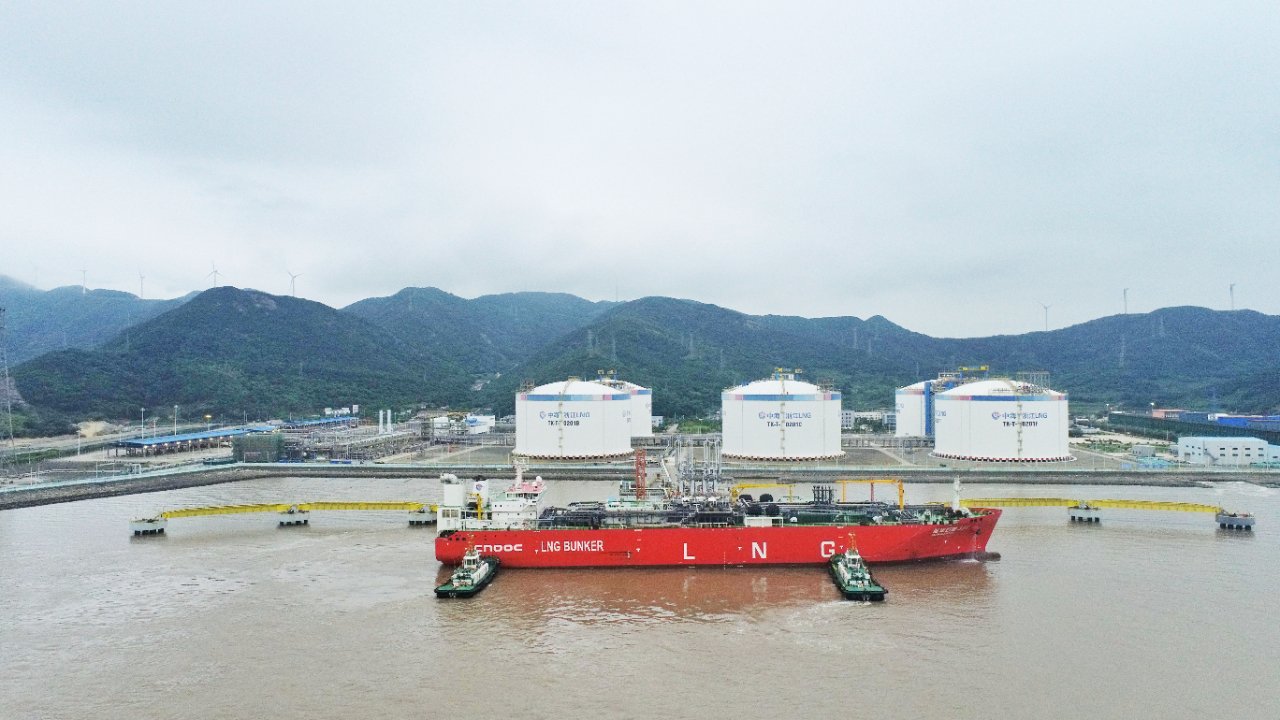
Key Terminals You Need to Know
Ningbo-Zhoushan is vast. Knowing which terminal fits your cargo is crucial:
- Meishan Island Terminal: The “Little Yangshan.” This is the primary international container hub. If you are shipping standard FCL boxes to Los Angeles, Rotterdam, or Singapore, they likely leave from here. It is highly automated and efficient.
- Beilun Port Area: The industrial heart. This area specializes in bulk cargo, iron ore, crude oil, and coal. It is one of the busiest dry bulk terminals in the world.
- Zhenhai Port Area: Focused on chemicals, liquid bulk, and coastal shipping.
- Daxie Island: Home to the Roll-on/Roll-off (Ro-Ro) terminal and oil refining facilities. Ideal for vehicles and heavy project cargo.
The Yiwu Connection: Serving the “World’s Supermarket”
Unlike Shanghai, which primarily serves the immediate municipality and northern Jiangsu, Ningbo is the sea outlet for Zhejiang Province—one of China’s most entrepreneurial regions.
Most importantly, Ningbo is the closest deep-water port to Yiwu, the world’s largest wholesale market for small commodities (toys, garments, hardware). The Yiwu-Ningbo-Zhoushan Sea-Rail Intermodal Service is one of the busiest rail-water routes in China, allowing containers to move from the factory floor directly to the quayside without road congestion.
Cost Savings: The THC Differential
For many clients, the decision comes down to dollars and cents. Terminal Handling Charges (THC) at Ningbo-Zhoushan are consistently lower than at Shanghai.
- Why? Lower land acquisition costs, less dredging required (natural depth), and fierce competition among terminal operators.
- Impact: On a standard 40ft container, the savings on THC and internal trucking (if your supplier is in Zhejiang) can range from $100 to $300 per container. Over hundreds of TEUs, this significantly impacts your landed cost.
When Should You Choose Ningbo-Zhoushan?
✅ Choose Ningbo if:
- Your supplier is located in Zhejiang Province (Ningbo, Yiwu, Taizhou, Wenzhou, Hangzhou).
- You are shipping heavy or bulky items (furniture, stone, machinery) that benefit from the deep draft.
- You want to avoid Shanghai’s peak season surcharges and congestion.
- You are shipping Breakbulk or Project Cargo (Steel coils, oversized equipment).
- You are looking for Lower Terminal Handling Costs.
❌ Consider Shanghai if:
- Your supplier is in Shanghai or Northern Jiangsu (closer to Shanghai than Ningbo).
- You are shipping high-value electronics requiring the absolute highest frequency of sailings.
- You are utilizing LCL (Less than Container Load) services, where Shanghai has a denser consolidation network.
Conclusion: The Strategic Alternative
Ningbo-Zhoushan Port is not just a “Plan B” for when Shanghai is congested; it is a strategic “Plan A” for a huge segment of China’s manufacturing base. Its natural deep-water advantages and cost-efficiency make it indispensable for bulk shippers and Zhejiang-based exporters.
Sourcing from Yiwu or the Zhejiang province?
Get a competitive quote for your Ningbo-Zhoushan shipment today. We specialize in seamless customs clearance and reliable rail-truck-sea intermodal solutions.
Read our previous guide: Shanghai Port: The World’s Busiest Gateway for Global Trade
How to Choose a Freight Forwarder in China: A Strategic Guide for Global Shippers
Selecting the right freight forwarder is one of the most critical decisions for importers and…
de minimis elimination 2026 china imports fba
For years, cross-border e-commerce ran on a simple, powerful premise: shipments valued at $800 or…

Tariff Engineering: How to Legally Cut Your US Import Duty Bill in 2026
By now in this series, you understand the compliance chain: Amazon FBA forces DDP terms,…