
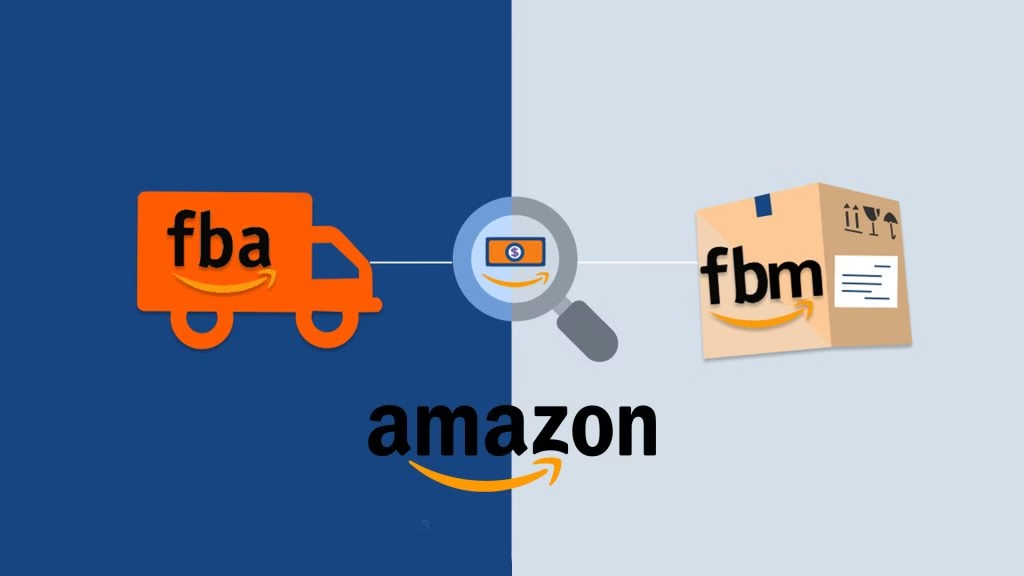
In the dynamic landscape of e-commerce, logistics plays a pivotal role in determining the success of Amazon sellers. While most sellers are familiar with the two primary logistics models—FBA (Fulfillment by Amazon) and FBM (Fulfillment by Merchant)—there exists a third, often overlooked option: third-party fulfillment through overseas warehouses. This comprehensive guide will explore each model in detail, analyzing their advantages, disadvantages, and strategic applications to help sellers make informed decisions about their logistics strategy.
Understanding Amazon FBA (Fulfillment by Amazon)
What is FBA?
FBA, or Fulfillment by Amazon, is Amazon’s comprehensive logistics service where sellers send their inventory in bulk to Amazon’s fulfillment centers. Amazon then handles all aspects of order fulfillment, including storage, picking, packing, shipping, and customer service. When a customer places an order, Amazon ships the product directly from its warehouse and manages post-sale services such as customer inquiries and returns.
Key Advantages of FBA
1. Prime Eligibility and Increased Visibility
Products fulfilled through FBA automatically qualify for Prime shipping, making them visible to millions of loyal Prime members who actively seek Prime-eligible products. This significantly increases conversion rates and sales potential.
2. Fast Delivery Options
FBA enables same-day, next-day, or two-day delivery depending on the product category and location. Fast shipping enhances customer satisfaction and encourages repeat purchases, contributing to higher customer lifetime value.
3. Enhanced Buy Box Winning Potential
Amazon’s algorithm favors FBA sellers when determining who wins the Buy Box—the prominent “Add to Cart” button on product pages. FBA’s reliable shipping and customer service metrics give sellers a competitive edge.
4. 24/7 Customer Support
Amazon provides multilingual customer service around the clock, handling customer inquiries, order issues, and product questions. This reduces the seller’s workload and ensures professional customer interactions.
5. Removal of Shipping-Related Negative Reviews
If negative feedback is specifically related to shipping or fulfillment issues, Amazon allows sellers to request removal of these reviews, protecting product ratings from factors outside the seller’s control.
Significant Disadvantages of FBA
1. Substantial Inventory Investment
Sellers must maintain sufficient stock in Amazon warehouses to ensure availability, especially during peak seasons like Prime Day and Black Friday. This ties up significant working capital and increases storage costs.
2. High Operational Costs
FBA involves multiple fees: storage fees (increasing for long-term storage), fulfillment fees, referral fees, and various surcharges. These costs can significantly impact profit margins, particularly for low-priced items.
3. Limited Flexibility
Amazon provides customer service primarily in English and typically responds via email, which may not meet the needs of sellers requiring more personalized or multilingual support. Additionally, inventory management is subject to Amazon’s policies and restrictions.
4. No Customs Clearance Services
When shipping products from overseas to Amazon FBA centers, sellers must handle all import documentation, customs clearance, and compliance requirements independently. Amazon does not provide assistance with international shipping logistics.
5. Rapid Return Processing
To maintain customer satisfaction, Amazon processes returns and refunds very quickly, sometimes automatically without seller approval. This can lead to abuse by dishonest customers and result in product loss or damage.
Understanding Amazon FBM (Fulfillment by Merchant)
What is FBM?
FBM, also known as Merchant Fulfillment Network (MFN), is a self-fulfillment model where sellers handle all aspects of order fulfillment themselves. This includes inventory management, packaging, shipping, customer service, and returns processing. Sellers maintain full control over their logistics operations.
Key Advantages of FBM
1. Flexible Cost Structure
Sellers have complete control over shipping costs and can choose their preferred carriers, shipping methods, and service levels. This flexibility allows for strategic cost management and the ability to negotiate better rates with logistics providers.
2. Freedom in Storage Strategy
FBM sellers can store inventory domestically or internationally, utilizing various warehousing options including their own facilities, third-party warehouses, or fulfillment centers. This enables optimal inventory management based on product characteristics and market demand.
3. Reduced Testing Risk for New Products
Before committing to large FBA inventory investments, sellers can test new products through FBM to gauge market response and customer acceptance. This minimizes inventory risk and financial exposure during product development phases.
4. Expanded Product Selection
FBM sellers are not restricted by Amazon’s FBA product limitations and can sell across all 17 Amazon marketplaces globally. This flexibility enables diverse product portfolios and easier entry into new geographic markets.
5. Multiple Shipping Options
Sellers can utilize Amazon’s partnered carrier programs, establish relationships with third-party logistics providers, or leverage their own shipping infrastructure. Bulk shipping capabilities often lead to better rates and service options.
Significant Disadvantages of FBM
1. Extended Delivery Times
International shipping from seller locations typically results in longer delivery times compared to FBA. This can negatively impact customer satisfaction, especially when customers expect fast Prime-like delivery.
2. Reduced Competitive Advantages
FBM products are not Prime-eligible and have lower chances of winning the Buy Box compared to FBA competitors. This can reduce visibility and sales conversion rates, particularly for competitive product categories.
3. Operational Complexity
Sellers must handle all aspects of fulfillment including packaging, labeling, shipping coordination, and customer service. This requires significant time, resources, and expertise, diverting focus from core business activities.
4. Higher Customer Service Burden
All customer inquiries, shipping issues, return requests, and post-sale support must be managed directly by the seller or their team. This requires dedicated customer service capabilities and can strain resources.
Third-Party Overseas Warehouse Fulfillment
What is Third-Party Overseas Warehouse Fulfillment?
This model involves partnering with logistics companies that operate warehouses in target markets. These third-party providers offer comprehensive services including customs clearance, quality inspection, order processing, picking and packing, and local delivery. Sellers store inventory in these overseas warehouses, enabling rapid order fulfillment when orders are received.
Comparative Advantages
Versus FBA:
- Greater Flexibility: Not limited to Amazon platform; can fulfill orders for multiple sales channels including eBay, Shopify, Walmart, and other marketplaces.
- Fewer Product Restrictions: Less restrictive policies on product types, packaging requirements, and inventory limitations.
- More Flexible Return Processing: More accommodating return policies and easier communication channels for resolving issues.
- Direct Customer Communication: More personalized customer service and easier resolution of complex customer issues.
Versus FBM:
- Faster Delivery: Inventory stored locally enables same-day or next-day delivery, significantly improving customer satisfaction.
- Reduced Seller Workload: Third-party providers handle most fulfillment operations, allowing sellers to focus on business growth and marketing.
- Professional Customer Service: Many overseas warehouses offer customer service support, reducing the seller’s customer service burden.
Key Considerations and Challenges
1. Higher Initial Investment
Maintaining inventory in overseas warehouses requires significant upfront capital investment and ongoing warehousing costs. This can strain cash flow, especially for new sellers or seasonal businesses.
2. Reduced Flexibility
Once inventory is committed to specific overseas warehouses, sellers face higher costs and logistical challenges if they need to relocate inventory or change fulfillment strategies.
3. Risk of Inventory Obsolescence
Products stored long-term in overseas warehouses may become outdated or unsellable, particularly in fast-changing product categories or seasonal markets.
4. Quality Control Challenges
Distance from inventory makes quality control more difficult. Sellers must rely on warehouse operators to maintain product quality and handle inventory properly.
Strategic Considerations for Choosing the Right Model
Product Type and Characteristics
High-Volume, Fast-Moving Consumer Goods: FBA is often optimal due to fast turnover and need for Prime eligibility.
Niche or Specialized Products: FBM or third-party fulfillment may be better for products with specific handling requirements or limited market demand.
Oversized or Heavy Items: FBM or third-party fulfillment may be more cost-effective than FBA’s higher storage and fulfillment fees.
Test Products or New Launches: Start with FBM to validate market demand before committing to FBA inventory.
Business Stage and Scale
Startup Phase: Begin with FBM to minimize risk and investment while testing products and markets.
Growth Phase: Transition successful products to FBA to leverage Prime benefits and scale operations.
Mature Business: Implement hybrid strategies combining FBA for core products with FBM or third-party fulfillment for complementary inventory.
Market Strategy
Amazon-Focused Strategy: Prioritize FBA for competitive advantage in Amazon’s marketplace.
Multi-Channel Strategy: Utilize third-party fulfillment to serve multiple platforms and sales channels.
International Expansion: Leverage overseas warehouses for local market penetration and faster delivery.
Financial Considerations
Cash Flow Management: FBM offers better cash flow as inventory investment is typically lower and payment cycles are shorter.
Profit Margin Analysis: Calculate total costs including fees, shipping, storage, and returns for each model to determine profitability.
Risk Tolerance: Consider financial risk tolerance—FBA involves higher inventory investment while FBM requires more working capital for international shipping.
Emerging Trends and Future Developments
1. Hybrid Fulfillment Strategies
Successful sellers increasingly adopt hybrid approaches, using FBA for Prime-eligible inventory while maintaining FBM or third-party fulfillment for backup inventory, testing new products, or serving specific market segments.
2. Technology Integration
Advanced inventory management systems, AI-powered demand forecasting, and automated order processing are becoming essential for optimizing fulfillment operations across multiple channels.
3. Sustainability Considerations
Environmental concerns are driving changes in packaging, transportation methods, and warehouse operations. Sellers must balance sustainability goals with cost-effectiveness and customer expectations.
4. Global Supply Chain Evolution
Ongoing supply chain disruptions and changing trade regulations require flexible fulfillment strategies and diversified supplier networks to maintain business continuity.
Conclusion
The choice between FBA, FBM, and third-party overseas warehouse fulfillment is not a one-size-fits-all decision. Each model offers distinct advantages and challenges that must be evaluated based on business objectives, product characteristics, market strategies, and financial considerations.
Successful Amazon sellers often evolve their fulfillment strategies as their businesses grow, starting with cost-effective options like FBM for testing and gradually incorporating FBA and third-party solutions to scale operations and improve customer experience. By understanding the strengths and limitations of each fulfillment model, sellers can develop optimized logistics strategies that support sustainable growth and competitive advantage in the dynamic e-commerce landscape.
The key to success lies in continuous evaluation of fulfillment performance, staying informed about platform changes and industry trends, and maintaining flexibility to adapt strategies as market conditions and business needs evolve.

How to Choose a Freight Forwarder in China: A Strategic Guide for Global Shippers
Selecting the right freight forwarder is one of the most critical decisions for importers and…

de minimis elimination 2026 china imports fba
For years, cross-border e-commerce ran on a simple, powerful premise: shipments valued at $800 or…

Tariff Engineering: How to Legally Cut Your US Import Duty Bill in 2026
By now in this series, you understand the compliance chain: Amazon FBA forces DDP terms,…