
Germany is Europe’s largest economy and the biggest single-country import market in the EU. If you’re sourcing from Alibaba and selling in Germany—or anywhere in the European Union—understanding how to ship efficiently and comply with EU customs is essential.
This guide covers everything about shipping from Alibaba to Germany in 2026: shipping methods, costs, transit times, EU customs procedures, VAT implications, and how to avoid the mistakes that delay shipments at German ports.
Step 1: Source and Verify Suppliers on Alibaba
- Trade Assurance: Your payment protection. Don’t skip this.
- Verified Supplier: Alibaba has inspected their factory and verified their business license.
- EU Export Experience: Ask if the supplier has shipped to Germany or the EU before. Experienced suppliers understand CE marking, REACH compliance, and EU labeling requirements.
- Product Compliance for Germany/EU:
- Electronics: Must have CE marking and comply with EU Low Voltage Directive
- Toys: Must comply with EU Toy Safety Directive (EN 71)
- Textiles: Must have OEKO-TEX or REACH compliance for chemical safety
- Food contact products: Must meet EU Framework Regulation (EC) 1935/2004
- Packaging: Must comply with German Packaging Act (VerpackG) requirements
Important: Germany has some of the strictest product safety and environmental regulations in the EU. Non-compliant products will be seized at customs.
Step 2: Choose Your Incoterms
| Incoterm | Who Handles Shipping? | Who Pays EU Duties? | Best For |
|---|---|---|---|
| EXW | You (via freight forwarder) | You | Full control, experienced importers |
| FOB | Supplier to Chinese port | You | Most common for sea freight |
| CIF | Supplier handles ocean freight | You | Simpler origin-side logistics |
| DDP | Freight forwarder handles everything | Forwarder pays all | First-time importers, hassle-free |
Our recommendation: DDP is increasingly popular for Germany because EU customs procedures and VAT registration can be complex for first-time importers.
Step 3: Compare Shipping Methods
Sea Freight (Best Value for Bulk Orders)
FCL (Full Container Load)
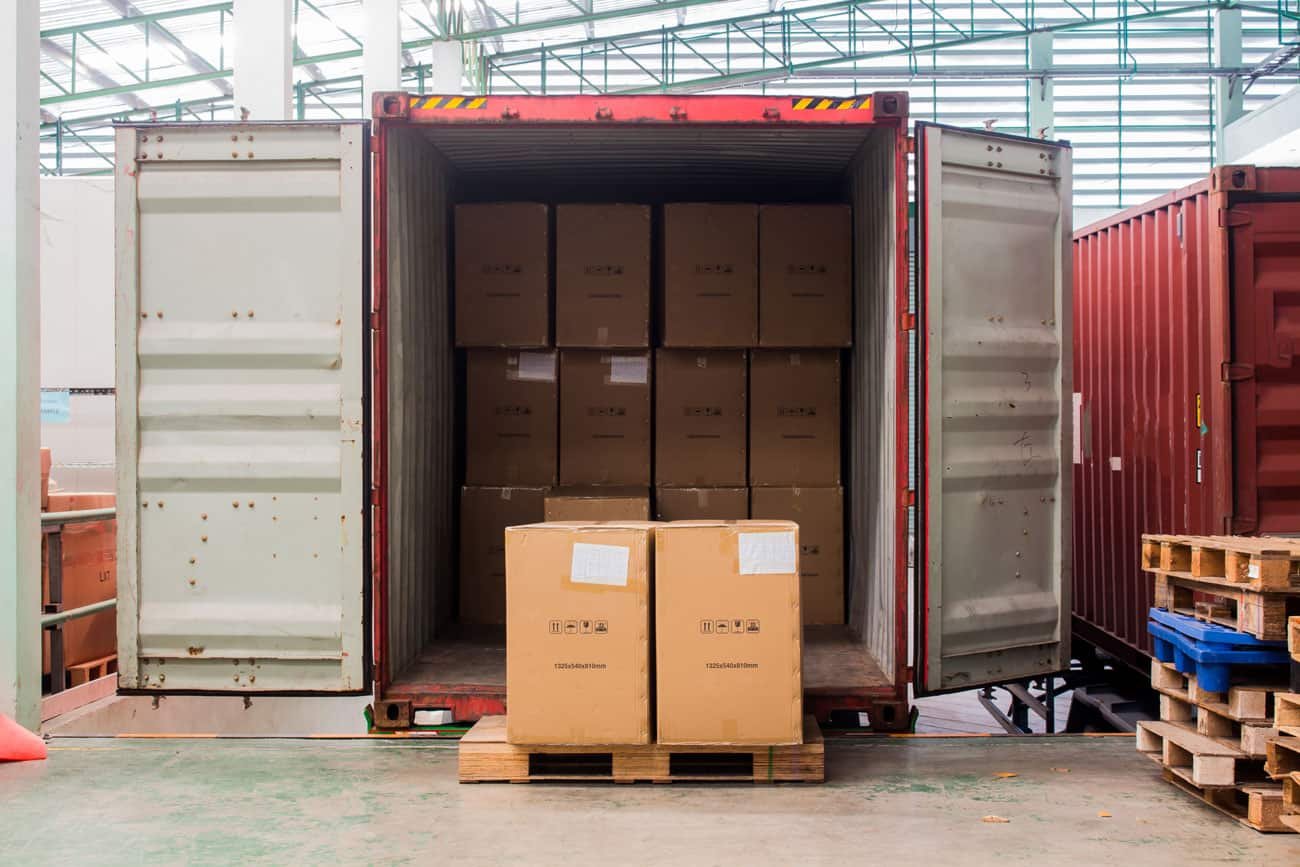
- 20ft container: $2,200–$3,800 (March 2026)
- 40ft container: $3,800–$5,800
- Transit time: 28–35 days (Shenzhen/Shanghai to Hamburg)
LCL (Less than Container Load)
- Cost: $40–$80 per CBM
- Transit time: 35–45 days
Air Freight (For Urgent or High-Value Shipments)
- Cost: $3.50–$6.50 per kg
- Transit time: 5–8 days
- Best for: Orders under 500 kg, seasonal inventory, high-value goods
Express (DHL, UPS, FedEx)
- Cost: $10–$25 per kg
- Transit time: 3–5 days
- Best for: Samples, small parcels under 100 kg
Rail Freight (China-Europe Railway)
- Cost: $2.80–$4.50 per kg
- Transit time: 12–18 days
- Best for: Medium shipments where sea is too slow and air is too expensive. This route has become increasingly popular for China-Germany trade.
Truck Freight (DDP Door-to-Door)
- Cost: $3.00–$5.00 per kg
- Transit time: 18–25 days (after arriving in Europe)
- Best for: Final-mile delivery within Germany and EU, especially for DDP shipments
Comparison Table
| Method | Cost | Transit Time | Best For |
|---|---|---|---|
| Express | $10–$25/kg | 3–5 days | Samples, parcels under 100 kg |
| Air Freight | $3.50–$6.50/kg | 5–8 days | Urgent orders, high-value goods |
| Rail Freight | $2.80–$4.50/kg | 12–18 days | Medium shipments, cost-speed balance |
| Sea Freight (LCL) | $40–$80/CBM | 35–45 days | 1–15 CBM shipments |
| Sea Freight (FCL) | $2,200–$5,800/container | 28–35 days | 15+ CBM bulk orders |
Step 4: Germany/EU Import Duties and Taxes
Customs Duty
- EU Common External Tariff: Applies to all goods entering Germany from outside the EU
- Rates: 0%–12% for most consumer goods (varies by HS code)
- Anti-dumping duties: Some Chinese products face additional duties (ceramics, solar panels, bicycles, steel)
Import VAT (Einfuhrumsatzsteuer)
- Standard rate: 19% (applies to most goods)
- Reduced rate: 7% (food, books, newspapers, certain cultural goods)
- VAT is calculated on: Customs value (CIF) + Import duty
Example Calculation
For a €10,000 shipment of general consumer goods:
- Import duty (5%): €500
- Import VAT (19% on €10,500): €1,995
- Total import costs: ~€2,495 (25% of goods value)
EORI Number
- You need an EU EORI number to import into Germany
- Apply through German customs (Zoll) — free of charge
- Takes 3–7 business days
Step 5: Required Documents for German/EU Customs
- Commercial Invoice — Must include: product descriptions, HS codes, values, country of origin, Incoterms
- Bill of Lading (B/L) or Air Waybill (AWB)
- Packing List — Detailed contents, weights, dimensions
- EORI Number — Your EU Economic Operator Registration and Identification number
- Certificate of Origin — For preferential duty rates
- CE Declaration of Conformity — For products requiring CE marking
- REACH Declaration — For products containing chemicals
- Import License — Required for certain regulated goods (weapons, pharmaceuticals, certain textiles)
German-specific requirement: Germany’s customs authority (Zoll) is known for thorough inspections. Make sure all documentation is accurate and complete to avoid delays.
Step 6: Major German Ports and Logistics Hubs
- Hamburg: Germany’s largest port and Europe’s third-largest. The primary gateway for China-Germany sea freight.
- Bremerhaven: Second largest, important for automobile and roll-on/roll-off cargo.
- Rotterdam (Netherlands): Many shipments to Germany actually arrive via Rotterdam and are then trucked to Germany. Often faster due to shorter sea routes.
- Frankfurt Airport: Major air freight hub for China-Germany air cargo.
- Munich, Leipzig, Duisburg: Important rail freight terminals for China-Europe railway.
Step 7: Common Mistakes When Shipping to Germany
- Missing CE marking: Products without proper CE marking will be refused entry. This is non-negotiable for regulated products.
- REACH non-compliance: Products containing chemicals above threshold limits must have REACH registration.
- Wrong HS codes: German customs (Zoll) is thorough. Incorrect classification leads to delays and potential fines.
- No EORI number: Your shipment cannot be cleared without one.
- Under-declaration: German customs uses a reference price database. Under-declaring leads to inspections, penalties, and potential criminal charges.
- Ignoring the Packaging Act (VerpackG): If you’re selling directly to German consumers, you may need to register for the German packaging system.
Why Choose Langxu for Alibaba to Germany Shipping?
- Germany/EU Specialist: We ship to Germany daily and understand Zoll requirements, CE marking rules, and REACH compliance.
- DDP to Any German Address: Door-to-door delivery across Germany, including direct to Amazon FBA fulfillment centers.
- Free Shenzhen Warehousing: Consolidate from multiple Alibaba suppliers before shipping to Europe.
- China-Europe Railway Option: We offer rail freight as a cost-effective middle ground between sea and air.
- EU VAT Handling: We can handle EU import VAT payment and documentation.
- Competitive Rates: 20–40% lower than Germany-based forwarders.
- Real-Time Tracking: Full visibility from your supplier’s factory to your German door.
FAQ: Shipping from Alibaba to Germany
Q: How long does shipping from Alibaba to Germany take?
A: Express: 3–5 days. Air freight: 5–8 days. Rail: 12–18 days. Sea freight: 28–45 days. Add 1–3 days for customs clearance.
Q: Do I need CE marking to import into Germany?
A: For regulated products (electronics, toys, machinery, PPE), yes. CE marking is mandatory. Without it, your goods will be blocked at customs.
Q: Can I ship directly from Alibaba to Amazon DE (Germany) FBA?
A: Yes. Langxu handles Amazon FBA deliveries across Germany. We manage the entire process including customs clearance and VAT.
Q: What is the cheapest way to ship from Alibaba to Germany?
A: Sea freight LCL for small shipments ($40–$80/CBM), or FCL for larger orders ($2,200–$3,800 for a 20ft container). Rail freight ($2.80–$4.50/kg) is a good middle ground.
Q: Do I need to register for German VAT?
A: If you’re importing goods into Germany for commercial purposes, you generally need an EORI number and may need to register for VAT depending on your sales volume and business structure. Consult a tax advisor for your specific situation.
Ready to Ship from Alibaba to Germany?
Get a free, no-obligation quote from Langxu International Logistics.
Shipping from Alibaba to Mexico: Complete Guide for Importers (2026)
Mexico has become one of the hottest import markets for Alibaba buyers. With the USMCA…
Shipping from Alibaba to Canada: Complete Guide for Importers (2026)
Canada is one of the top destinations for Alibaba importers. With a strong economy, high…
Shipping from Alibaba to the UK: Complete Guide for Importers (2026)
The UK remains one of Europe’s largest import markets, and Alibaba is the go-to sourcing…