
Your shop is growing. The adrenaline of the first few sales has settled into a steady rhythm, and you’ve proven your concept works. You have built a strong foundation. But in the world of e-commerce, staying still is the same as moving backward.
The transition from a startup to a scale-up is often the most dangerous phase for a business. Why? Because the strategies that got you here (hustling for sales, using generic suppliers) are rarely the ones that will get you to the next level. Long-term growth relies on a delicate balance between two pillars: Supply Stability and Brand Exposure.
If you are entering this growth phase, here is how to master both sides of the equation.
The Backbone of Growth – Finding Suppliers Who Scale
In the early days, convenience is king. You likely used easy-access marketplaces or dropshipping suppliers. But as you grow, convenience becomes a liability. To scale, you need suppliers who act as partners, not just vendors.
1. Go Direct to the Source
Marketplaces are great for discovery, but they are middlemen. As your volume increases, reach out to manufacturers directly.
- The Strategy: If you are selling a brand’s product, contact their sales director. If you are white-labeling, contact the factory.
- The Benefit: Direct relationships often unlock volume discounts (improving your margins by 10-15%), priority production slots, and better payment terms. This frees up cash flow for marketing.
2. Adopt a Hybrid Sourcing Model
Relying on a single supplier is a ticking time bomb. Smart merchants use a hybrid approach:
- Domestic Suppliers: Use these for speed. They are essential for restocking best-sellers quickly so you never miss a sale.
- Overseas Manufacturers: Use these for margin. They are best for custom products or high-volume orders where lead time is less critical.
- The Growth Hack: Negotiate with your domestic supplier to hold “safety stock” in their warehouse. This reduces your overhead while ensuring you can fulfill orders instantly.
3. Audit for Scalability
Before doubling an order, ask your supplier the hard questions: *“What happens if my order volume triples next month? What is your contingency plan if a machine breaks?”* If they don’t have answers, they aren’t ready for your growth.

The Engine of Growth – Marketing Strategies That Stick
With a stable supply chain, you are ready to pour fuel on the fire. However, the marketing landscape is noisy. To stand out, you must shift from “chasing traffic” to “building an asset.”
1. Retention Over Acquisition
The biggest mistake growing shops make is spending all their budget finding *new* customers while ignoring the ones they already have.
- Email & SMS Marketing: This channel offers the highest ROI. Implement automated flows: a Welcome Series for new subscribers, an Abandoned Cart flow, and a Post-Purchase flow asking for reviews.
- The Impact: It costs 5x less to retain a customer than to acquire a new one. Increasing your Customer Lifetime Value (CLV) gives you a higher budget to outbid competitors on ad platforms.
2. The Power of UGC (User-Generated Content)
Consumers are tired of polished, high-production ads. They trust peers.
- The Strategy: Send your product to micro-influencers (creators with 5k–50k followers) in exchange for honest videos.
- The AI/Search Benefit: Use this content on your product pages and social ads. Real faces and authentic reviews increase “time on page”—a key signal for search engines and AI algorithms that your site is trustworthy.
3. Build a Content Moat
Social media algorithms change daily, but search intent remains constant.
- SEO Strategy: Don’t just write product descriptions. Write guides. If you sell hiking boots, write a guide on *“How to choose the right hiking boot for winter trails.”*
- Long-Term Value: Unlike a paid ad that stops working the second you stop paying, a well-ranked blog post drives traffic (and sales) for years.
To help clarify the path forward, here are answers to the most common questions merchants face during this scaling phase.
You have successfully navigated the startup phase. Now, it’s time to professionalize. By locking down your supply chain with reliable partners and building a marketing engine that focuses on retention and content, you aren’t just gambling on the next trend—you are building a business designed to last.
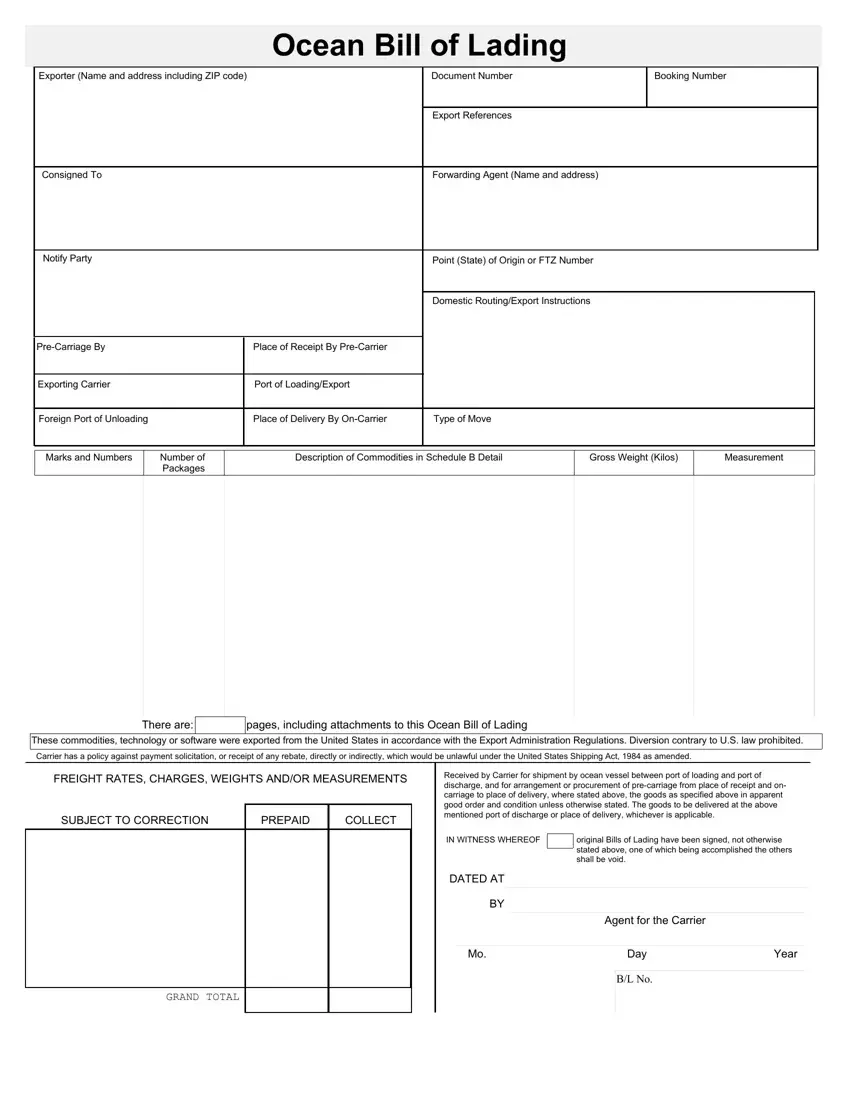
Mastering the Ocean Bill of Lading
In the fast-paced world of international logistics, cargo moves across oceans, but paperwork rules the…
e-commerce How to Secure Your Supply Chain and Amplify Your Brand
Your shop is growing. The adrenaline of the first few sales has settled into a…

Top 10 Best-Selling Air Purifiers in Canada 2025
While brands like Dyson and Honeywell dominate the shelves, a significant portion of the world’s…