Shipping from China to Nigeria? Compare ocean freight, air freight, and rail options with 2026 rates, transit times, and customs tips. Get a free quote today.
Why Nigeria Is One of Africa’s Top Import Destinations from China
Nigeria is Africa’s largest economy and its biggest importer of Chinese goods. In 2025, bilateral trade between China and Nigeria exceeded $22 billion, with Chinese exports to Nigeria spanning electronics, machinery, textiles, building materials, and consumer goods. Whether you’re sourcing electronics from Shenzhen, textiles from Guangzhou, or machinery from Shanghai, understanding your shipping options from China to Nigeria is critical to maintaining healthy profit margins.
This guide breaks down every shipping method available—ocean freight (FCL and LCL), air freight, and courier services—with current 2026 rates, realistic transit times, port details, and practical customs advice. By the end, you’ll know exactly which option fits your cargo and budget.
Shipping Methods at a Glance
| Shipping Method | Transit Time | Best For | Cost Range (2026) |
|---|---|---|---|
| Ocean FCL (20GP) | 35–40 days | Full container loads (21–28 CBM) | $2,970–$3,630 |
| Ocean FCL (40GP) | 35–40 days | Large shipments (55–65 CBM) | $3,150–$3,850 |
| Ocean LCL | 45–50 days | Small shipments (1–20 CBM) | $85–$140 per CBM |
| Air Freight | 3–7 days | Urgent, high-value goods | $4.50–$8.00 per kg |
| Express Courier | 3–5 days | Samples, small parcels (<100 kg) | $8.00–$15.00 per kg |
*Note: Rates are estimates as of April 2026 and vary by origin city, carrier, and seasonal demand.*
Ocean Freight from China to Nigeria
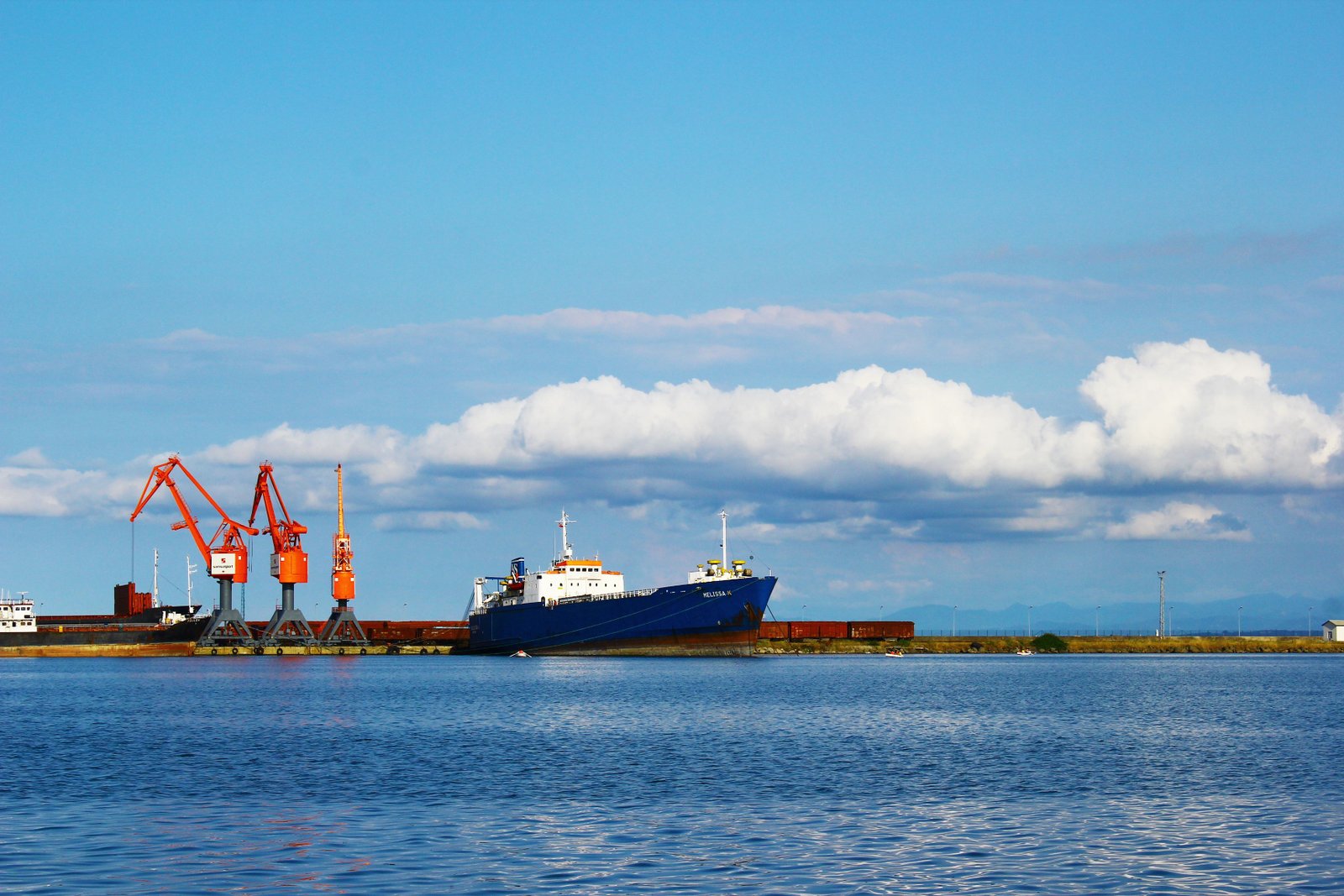
Ocean freight is the backbone of China-Nigeria trade, handling over 90% of cargo volume by weight. It’s the most cost-effective option for shipments above 500 kg.
FCL (Full Container Load)
FCL means you rent an entire container. Your goods are sealed at the factory in China and opened only at the destination warehouse in Nigeria. This reduces handling damage and theft risk.
Container Types and Rates (2026):
| Container Type | Dimensions | Capacity | Rate to Lagos |
|---|---|---|---|
| 20GP | 5.9m × 2.35m × 2.39m | ~28 CBM / 21,000 kg | $2,970–$3,630 |
| 40GP | 12m × 2.35m × 2.39m | ~58 CBM / 26,000 kg | $3,150–$3,850 |
| 40HC (High Cube) | 12m × 2.35m × 2.69m | ~68 CBM / 26,000 kg | $3,300–$4,000 |
When to Choose FCL:
- Your cargo fills more than 15 CBM (roughly half a 20GP)
- You want maximum security for your goods
- You’re shipping on a regular schedule (monthly or quarterly)
LCL (Less than Container Load)
LCL consolidates your cargo with other shippers’ goods in a shared container. You pay only for the space your goods occupy, measured in cubic meters (CBM).
LCL Rates to Nigeria (2026):
- China to Lagos (Apapa/Tin Can): $85–$140 per CBM
- Minimum charge: Typically 1 CBM
- Weight limit: Generally 1,000 kg per CBM (heavy cargo surcharges apply above this)
When to Choose LCL:
- Your shipment is 1–15 CBM
- You’re testing a new product line and don’t want to commit to a full container
- You need flexible shipping volumes
Major Ports of Origin in China
| Port City | Best For | Key Industries |
|---|---|---|
| Shenzhen / Yantian | Electronics, tech products | Consumer electronics, components |
| Guangzhou / Nansha | General merchandise, furniture | Furniture, textiles, building materials |
| Shanghai | Machinery, automotive parts | Industrial equipment, auto parts |
| Ningbo | General cargo, home goods | Home appliances, daily necessities |
| Qingdao | Heavy machinery, chemicals | Industrial machinery, chemicals |
Destination Ports in Nigeria
Nigeria has two main seaports, both located in Lagos:
- Tin Can Island Port – Handles containerized cargo, bulk cargo, and roll-on/roll-off (RoRo) shipments. It’s the primary port for general imports.
- Lagos Port Complex (Apapa) – Nigeria’s busiest port, handling the majority of container traffic. Congestion can be an issue during peak seasons.
Transit Time: 35–40 days from major Chinese ports to Lagos. LCL shipments typically take 45–50 days due to consolidation and deconsolidation time.
Ocean Freight Process: Step by Step
- Booking: Your freight forwarder books space with the shipping line based on your cargo details.
- Factory Loading: Goods are loaded into the container at the supplier’s factory (FCL) or delivered to the consolidation warehouse (LCL).
- Export Customs Clearance: Your forwarder handles Chinese export customs documentation.
- Ocean Transit: The vessel sails from China to Lagos via common routing through the Indian Ocean and around the Cape of Good Hope (or through the Suez Canal, depending on conditions).
- Port Arrival & Import Clearance: Goods arrive at Tin Can or Apapa. Your customs broker handles Nigerian import clearance.
- Delivery: Goods are trucked from the port to your warehouse or final destination.
Air Freight from China to Nigeria
When speed matters more than cost, air freight is the answer. It’s ideal for high-value goods, perishable items, urgent restocking, or samples.
Air Freight Rates (2026)
| Weight Bracket | Rate per kg | Typical Use |
|---|---|---|
| < 100 kg | $8.00–$15.00 | Samples, small orders |
| 100–300 kg | $6.00–$8.00 | Medium shipments |
| 300–1,000 kg | $4.50–$6.50 | Large air shipments |
| 1,000+ kg | $4.00–$5.50 | Bulk air cargo |
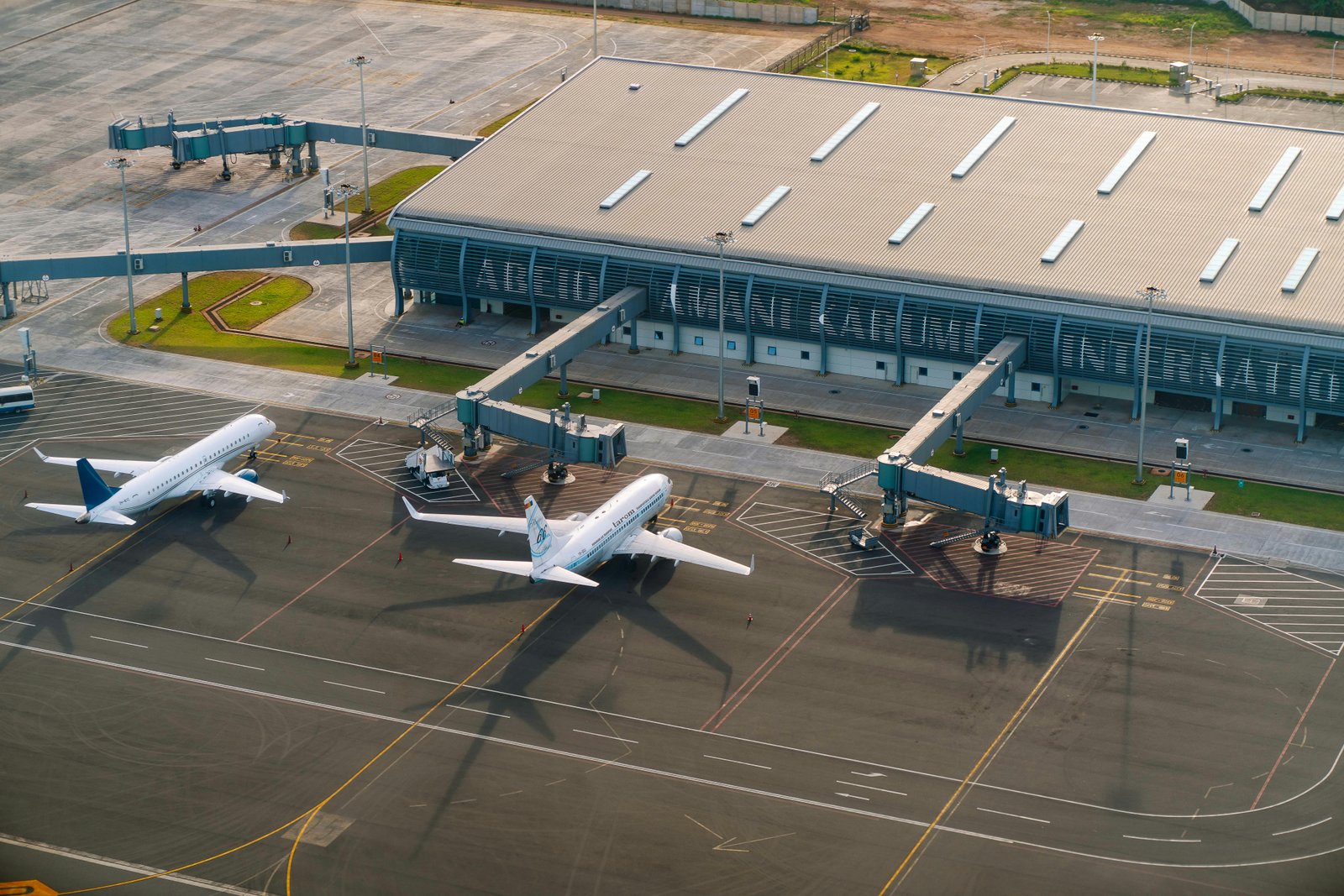
Transit Time: 3–7 days from major Chinese airports (Shenzhen, Guangzhou, Shanghai) to Lagos (Murtala Muhammed International Airport – LOS).
Major Airports
- Origin: Shenzhen (SZX), Guangzhou (CAN), Shanghai (PVG), Hong Kong (HKG)
- Destination: Lagos (LOS) – Murtala Muhammed International Airport
When Air Freight Makes Sense
- Product launch deadlines: You need stock on shelves before a promotional window.
- High-value, low-weight goods: Electronics, pharmaceuticals, fashion accessories where the air freight cost is a small percentage of product value.
- Seasonal urgency: Avoiding stockouts during peak sales periods.
- Sample shipments: Quick product verification before committing to a large ocean order.
Air Freight Process
- Quote & Booking: Provide cargo details (weight, dimensions, commodity, value).
- Pickup & Export: Goods collected from the supplier, export customs cleared.
- Air Transit: Flight from China to Lagos (often with a connection in Dubai, Addis Ababa, or Nairobi).
- Import Clearance & Delivery: Customs clearance at LOS, delivery to your door.
DDP vs DAP: Which Incoterm Works Best for Nigeria?
Understanding Incoterms is crucial when shipping to Nigeria. The two most relevant for China-Nigeria trade:
DDP (Delivered Duty Paid)
The seller (or your freight forwarder) handles everything—shipping, customs clearance, duties, taxes, and final delivery. You receive goods at your warehouse with no additional paperwork.
Pros: Zero logistics hassle. Predictable all-in cost.
Cons: Higher upfront cost. Less control over the customs process.
DAP (Delivered at Place)
The seller handles shipping and export, but you (the buyer) handle Nigerian import customs, duties, and final delivery.
Pros: Lower shipping cost. Full control over customs declarations and duty optimization.
Cons: You need a reliable customs broker in Nigeria. Unexpected costs can arise.
Recommendation: For first-time importers, DDP provides peace of mind. For experienced importers shipping regularly, DAP often saves 10–20% on total landed cost.
Nigeria Customs: What You Need to Know
Importing into Nigeria involves specific regulations that catch many first-timers off guard. Here’s what to prepare:
Required Documents
| Document | Purpose | Issued By |
|---|---|---|
| Bill of Lading (B/L) or Airway Bill (AWB) | Proof of shipment | Shipping line / airline |
| Commercial Invoice | Declares goods value | Supplier |
| Packing List | Details cargo contents and dimensions | Supplier |
| Form M | Import permit / pre-shipment declaration | Nigerian importer (via trade portal) |
| SON Product Certificate | Product quality compliance | Standards Organization of Nigeria |
| PAAR (Pre-Arrival Assessment Report) | Customs risk assessment | Nigeria Customs Service |
Import Duties and Taxes
Nigeria applies the following to most imports from China:
- Customs Duty: 5–35% depending on the HS code (product category)
- VAT: 7.5% (calculated on CIF value + duty)
- Nigerian Ports Authority (NPA) surcharge: 1% of CIF value
- ECOWAS CET: Common External Tariff applies to most goods
Total landed cost estimate: Add 15–45% on top of your CIF value for duties, taxes, and port charges, depending on the product category.
Common Pitfalls
- Missing Form M: This is mandatory. Without it, your cargo cannot clear customs.
- Incorrect HS codes: Misclassification leads to delays, penalties, or incorrect duty assessments.
- Under-declaration: Nigerian customs actively scrutinizes undervalued invoices. Declare accurately to avoid cargo seizure.
- Port congestion: Lagos ports experience significant delays during December–January and July–August. Plan accordingly.
How to Reduce Shipping Costs from China to Nigeria
1. Consolidate Shipments
Instead of shipping multiple small LCL orders, consolidate into one FCL. A 20GP container at $3,200 works out to roughly$114 per CBM if fully loaded—significantly cheaper than LCL at $85–$140 per CBM.
2. Optimize Container Loading
Work with your supplier to maximize container space. Use professional loading plans to fit more goods per container. A well-packed 20GP can hold 28 CBM; a poorly packed one might only hold 22 CBM.
3. Choose the Right Port Pair
Shipping from Ningbo or Qingdao may be $200–$400 cheaper per container than from Shenzhen, depending on the season. If your supplier is flexible on origin port, compare rates.
4. Negotiate Inland Delivery
Port-to-door delivery in Lagos can cost $300–$800 depending on distance and cargo type. Get quotes from multiple local trucking companies rather than accepting the first offer.
5. Ship During Off-Peak Season
Rates typically spike before Chinese New Year (January–February) and during Q4 (October–December). Shipping in Q1 (March–May) or Q3 (July–September) often yields 10–15% lower rates.
Rail Freight: Is It Viable for China to Nigeria?
Currently, rail freight from China to Nigeria is not a practical option. While China has expanded rail links to Africa (notably the China-Kenya Standard Gauge Railway), there is no direct rail connection between China and Nigeria. All rail-based options would require multimodal transport (rail to an African port, then ocean to Nigeria), which typically costs more and takes longer than direct ocean freight.
For now, stick with ocean or air for China-Nigeria shipments.
Choosing the Right Freight Forwarder
A reliable freight forwarder makes or breaks your China-Nigeria shipping experience. Here’s what to evaluate:
Essential Qualifications
- Nigeria operational presence: They should have partnerships or offices in Lagos for smooth customs clearance and last-mile delivery.
- Chinese origin network: Strong relationships with factories and consolidation warehouses across major Chinese cities.
- Customs expertise: Deep knowledge of Nigerian import regulations, HS codes, and duty optimization.
- Transparent pricing: All-in quotes that include shipping, customs, duties (for DDP), and delivery—no hidden fees.
Red Flags to Avoid
- Quotes that seem too good to be true (often hide surcharges revealed later)
- No physical presence or verified partner in Nigeria
- Unable to provide references from other Nigeria importers
- Vague about customs procedures or duty calculations
Ready to Ship from China to Nigeria?
Whether you’re importing electronics, textiles, machinery, or building materials, choosing the right shipping method and freight forwarder directly impacts your bottom line. Ocean freight offers the best value for regular shipments, while air freight delivers speed when you need it.
Get a free, no-obligation shipping quote tailored to your cargo, origin city, and delivery timeline. Our team handles everything from factory pickup in China to door delivery in Nigeria—including customs clearance and duty management.
How to Choose a Freight Forwarder in China: A Strategic Guide for Global Shippers
Selecting the right freight forwarder is one of the most critical decisions for importers and…
de minimis elimination 2026 china imports fba
For years, cross-border e-commerce ran on a simple, powerful premise: shipments valued at $800 or…

Tariff Engineering: How to Legally Cut Your US Import Duty Bill in 2026
By now in this series, you understand the compliance chain: Amazon FBA forces DDP terms,…